Author: nrzsew

  • Dove’s Beauty Bar Soap Is Now Its First Perfume

    Dove’s Beauty Bar Soap Is Now Its First Perfume

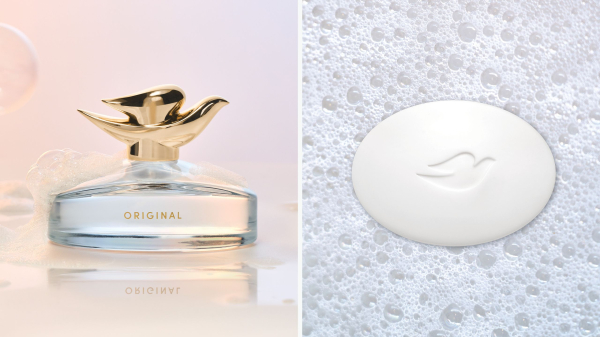
    Dove Beauty Bar soap and its new personal fragrance illustrating a review of the new scent.Courtesy of BrandSave StorySave this storySave StorySave this story

    As of 2024, Dove sells an estimated 60 bars of its Beauty Bar soap per second in the U.S., which some low-lift arithmetic will tell you is almost 1.9 billion ivory ovals per year. With statistics like that, it’s no wonder almost every Allure staffer has distinct memories of the shower staple. (I, for one, could rummage through every drawer in the bathrooms in my parents’ house and find different stashes of varied size.) The product, almost 70 years old, lives on in the beauty psyche in large part to its cloudy, creamy, freshly lathered scent. Needless to say, when we saw Dove decide to bottle it as a fine fragrance, it sparked nostalgia, intrigue, and perhaps most importantly, “Does it smell like the original bar of soap? Do we want to smell like a bar of soap?” Clearly, plenty of people do, or at least enough for the brand to venture into the category for the first time. The brand said in a press release it was a response to growing demand from its loyalists.

    One bottle, passed around the office, got some oohs and ahhs for its familiar oblong shape, gold cap fashioned after Dove’s logo, and how much it smells like our showers of years past. It’s also a technical feat, one the brand called in heavyweights for: They worked with Ann Gottlieb, a veteran fragrance developer who has collaborated with everyone from Calvin Klein and Marc Jacobs to Vaseline and Victoria’s Secret. Our expectations were pretty high.

    There are some other lovely aspects to the launch, which debuts next week. The $19.57 price tag isn’t just a nice accessibility play; it’s a nod to the product's (and brand’s) debut year. When it sells next week, it’s a one-time-only moment to purchase on social media. If you’re on the fence about nabbing one of your own, check out what four Allure staffers thought of the soap-inspired scent.

    Sophia Panych, Content Director, Allure: “Now, I love a clean-smelling fragrance: Byredo Mojave Ghost, Maison Francis Kurkdjian Aqua Universalis, the long-discontinued Marc Jacobs Rain Eau de Toilette. And I’m a sucker for a clean laundry room spray. But the idea of smelling like Dove soap didn’t appeal to me right off the bat. I love the concept—like most of my colleagues, I grew up with Dove soap in my shower (and still keep an unscented bar in my shower at all times)—I just prefer my fragrances to smell a little more complex, I guess. That being said, I might be tempted to wear this on the weekends or any time I want to feel really fresh and cozy. If you smell the juice in the bottle or on a blotter, it’s an exact match to the original Dove Beauty Bar. On my skin, at least, it takes a few minutes to settle into the classic creamy, soapy scent, with some floral notes and even a tinge of bubblegum that emerge, although they disappear pretty quickly.”

    James Manso, Senior News Editor, Allure: “I grew up around a plethora of Dove beauty bars, and I think of it the way I think of my grandmother wearing Clinique Happy or my mother with Mugler Angel. It was one of my first experiences with beauty products, long before I became a beauty editor, even back to the bath times of my early childhood. It often still sits in the showers in my parents’ house, decades later, and I was floored by how identical that smell is to the one bottled for this fragrance. Even for a bar of soap, I didn’t ever think it smells ‘soapy’—you don’t get that sharp, heady dose of surfactants from your first whiff as you would with dishsoap—and you don’t with the new fragrance, either. I always associate it with feeling clean, of course. In this decade, I opt for moodier and dirtier ouds, woods and herbs in my personal fragrances. I’d rather smell like a forest or a fireplace than a shower, so while I’m sure there’s a Dove devotee out there who would use this until the last drop, it’s probably not me. But how wistful was my first spritz.”

    Elizabeth Gulino, Senior Staff Writer, Allure: “I’m what my college marketing professor would call ‘brand loyal.’ I have, with no exaggeration, been using the Dove Beauty Bar for the entirety of my life. It’s a classic for a reason, and it also carries a scent so precise I could pick it out of a particularly pungent lineup. Dove’s new fragrance is literally the soap in perfume for—a floral, powdery concoction that brings me right back to my childhood bathtub. Would I wear this on its own? Probably not, but I'm interested to see how this pairs with other scents on the skin.”

    Giancarlos Kunhardt, Associate Visuals Editor, Allure: “I’m a big fan of bar soap, and Dove’s Beauty Bar is a classic addition to my shower routine. I mean, it’s a staple in everyone’s shower caddy, no? The scent is elite—subtle, clean, and fresh on the skin. Now, Dove Beauty Bar in perfume form? I’m sold.”

  • 7 Best Alpha Hydroxy Acid Products for Dull, Rough, and Uneven Skin

    7 Best Alpha Hydroxy Acid Products for Dull, Rough, and Uneven Skin

    Image contains a collage of silos of the best alpha hydroxy acid products on an offwhite backgroundCollage: Jemeria Davison; Source images: Courtesy of brandsSave StorySave this storySave StorySave this story

    If your skin's looking a little dull or feeling rough, the best alpha hydroxy acid products might be exactly what your routine is missing. Also known as AHAs, these chemical exfoliants loosen the bonds that hold dead cells together, making way for smoother, brighter, and more even-looking skin.

    But before you grab the first AHA you see, know that they don't all work the same way—and they’re not always right for everyone. Glycolic acid is known for its ability to tackle uneven texture and fine lines, while lactic acid exfoliates but “also has hydrating properties, so it tends to be more tolerable for dry or sensitive skin,” Mamina Turegano, MD, a board-certified dermatologist based in New Orleans, previously told Allure. Mandelic acid, meanwhile, has a larger molecular size, making it an even gentler option for easily irritated skin. And you don't have to commit to an intense chemical peel to reap the benefits. AHAs show up in everything from cleansers and toners to serums, pre-soaked pads, and even body lotions.

    Our Top Alpha Hydroxy Products

    • Best Cleanser: SkinMedica AHA BHA Exfoliating Cleanser, $48
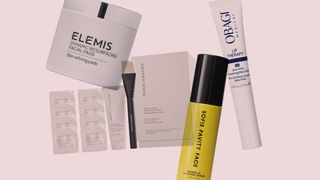
    • Best Facial Pads: Elemis Dynamic Resurfacing Facial Pads, $69
    • Best Face Mask: Shani Darden Triple Acid Signature Peel, $125
    • Best Lip Treatment: Obagi Lip Therapy AHA+PHA Smoothing Micro-Peel, $55

    Frequently Asked QuestionsAccordionItemContainerButtonLargeChevron

    • What are alpha hydroxy acids?
    • Can you use AHAs with retinol?
    • Who shouldn’t use AHAs?
    • Meet the experts
    • How we test and review products
    • Our staff and testers

    Of course, more exfoliation isn't always better (your skin barrier would like a word). We tapped board-certified dermatologists and Allure editors to narrow down the formulas worth adding to your routine.

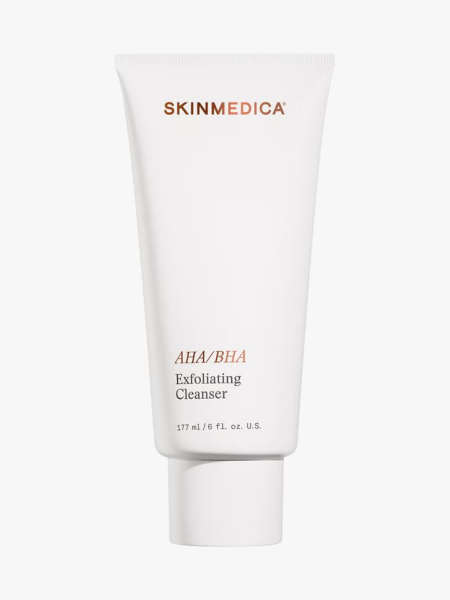
    Best Cleanser: SkinMedica AHA BHA Exfoliating Cleanser
    SkinMedica AHA/BHA Exfoliating Cleanser in branded tube component on a light gray backgroundSave to wishlistSave to wishlist

    SkinMedica

    AHA BHA Exfoliating Cleanser

    $48

    Amazon

    $48

    Nordstrom

    $48

    Dermstore

    Allure contributing commerce editor Deanna Pai applying SkinMedica’s AHA + BHA Exfoliating Cleanser

    Deanna Pai

    Why it’s worth it: When a cleanser has won over multiple Allure staffers—including our editor in chief—and earned the approval of multiple dermatologists we spoke with, you know it's doing something right. SkinMedica’s AHA/BHA Exfoliating Cleanser is a go-to for oily, breakout-prone, and dull skin, thanks to its combination of three different exfoliating methods. A blend of AHAs (including glycolic, lactic, citric, and malic acids) loosens dead surface cells and smooth uneven texture, while salicylic acid (a beta hydroxy acid) gets into pores to clear out excess oil and buildup. Soft jojoba spheres also provide a little physical exfoliation without the harsh scratchiness of traditional scrubs. “This is one I recommend regularly in practice and genuinely love because it does a lot without being aggressive,” says Alexandra Bowles, DO, a board-certified dermatologist based in Cincinnati. “It lathers nicely, rinses clean, and doesn't leave the skin feeling stripped or tight afterward.”

    Tester feedback from contributing commerce editor Deanna Pai

    AccordionItemContainerButtonLargeChevron

    "This exfoliating cleanser does the impossible: It leaves my skin super-soft and smooth, even when I'm dealing with hormonal breakouts, but never feeling squeaky-clean or overly tight. That's a big deal, considering the potent ingredients in its lineup. Plus, the combo of AHAs and BHA targets my two primary concerns, hyperpigmentation and acne, respectively." —Deanna Pai, contributing commerce editor

    More to know

    AccordionItemContainerButtonLargeChevron

    • Key AHAs: glycolic, lactic, citric, and malic acids
    • Other ingredients: salicylic acid, jojoba beads
    • Fragrance-free: yes

    Best Facial Pads: Elemis Dynamic Resurfacing Facial Pads
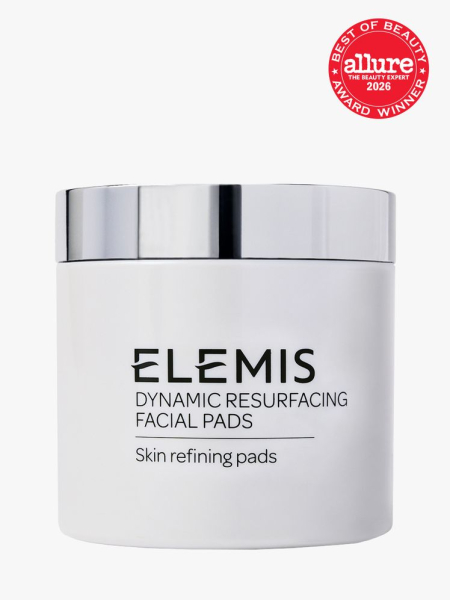
    Elemis Dynamic Resurfacing Facial Pads in branded tub component on a light gray background with the 2026 best of beauty seal in the top right cornerSave to wishlistSave to wishlist

    Elemis

    Dynamic Resurfacing Facial Pads

    $69

    Amazon

    Allure managing editor Alessandra Foresto applying the Elemis Dynamic Resurfacing Facial Pads

    Alessandra Foresto

    Why it's worth it: You might need to wait weeks to start seeing results from most skin-care products, but a few swipes of Elemis’ Dynamic Resurfacing Facial Pads deliver an immediate glow that looks like you've been putting in the work for months. The 2026 Best of Beauty Award winner combines gentle lactic acid with the brand's Tri-Enzyme Technology (papain, protease, subtilisin) to dissolve dead skin cells without disrupting the moisture barrier. A probiotic ferment complex (Lactococcus ferment lysate) also supports skin renewal, improving rough texture and the appearance of dark spots over time, so there are longer-term perks, too. It might look like an unassuming cotton pad, but it's got a lot more going for it than meets the eye.

    Tester feedback from managing editor Alessandra Foresto

    AccordionItemContainerButtonLargeChevron

    “I'm new to using exfoliating pads, but lately my eczema breakouts are leaving hyperpigmentation behind almost immediately, and I need a little more regular exfoliation. I tried a few different exfoliating toners but didn't see a significant change until I started using these. My facialist commented on how much better my dark spots looked after a month of use. They don't sting, smell strongly, or leave my face feeling dry.” —Alessandra Foresto, managing editor

    More to know

    AccordionItemContainerButtonLargeChevron

    • Key AHA: lactic acid
    • Other ingredients: Tri-Enzyme Technology (papain, protease, subtilisin), probiotic ferment complex (Lactococcus ferment lysate)
    • Fragrance-free: no

    Best Serum: Sofie Pavitt Face Mandelic Clearing Serum
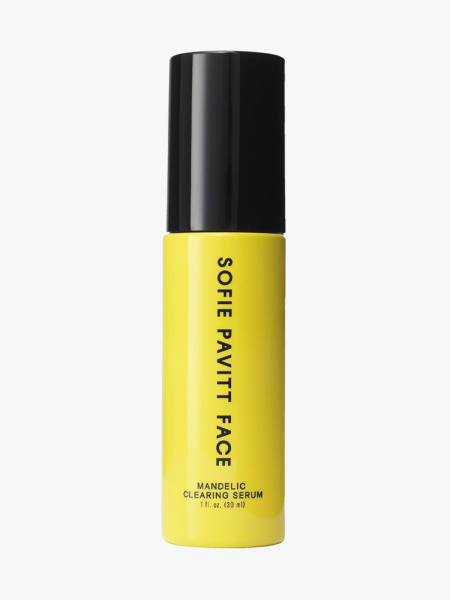
    Sofie Pavitt Face Mandelic Clearing Serum in branded component on a light gray backgroundSave to wishlistSave to wishlist

    Sofie Pavitt Face

    Mandelic Clearing Serum

    $54

    Shop

    $54

    Sephora

    Why it's worth it: They don't call Sofie Pavitt the “acne whisperer” for nothing. The New York City-based esthetician has made a name for herself treating breakout-prone skin, so naturally, her namesake line has a thing or two to offer anyone dealing with clogged pores. Case in point: The Face Mandelic Clearing Serum, which uses 8% mandelic acid to slough away dead skin cells, smooth uneven texture, and help prevent the buildup that can lead to breakouts. What sets it apart from other AHAs, like glycolic acid, is its larger molecular size, which means that it penetrates skin more slowly and therefore tends to be gentler. And because acne-prone skin still needs moisture, the formula pairs two forms of hyaluronic acid with soothing panthenol to replenish hydration and prevent irritation.

    Allure commerce market editor Sarah Hoffmann applying the Sofie Pavitt Face Mandelic Clearing Serum

    Sarah Hoffmann

    Allure commerce editor Sarah Han applying the Sofie Pavitt Face Mandelic Clearing Serum

    Sarah Han

    Tester feedback from commerce market editor Sarah Hoffmann

    AccordionItemContainerButtonLargeChevron

    "I used to be a splash of cold water, SPF, and go type of morning skin care person, but this serum made me completely change my tune. The difference it makes in how my skin looks throughout the day (and how my makeup wears) is astounding. My skin is prone to looking either very oily or very dull about eight hours into the day—how'd I get both issues? Just lucky I guess—and I give this serum total credit for keeping my skin looking actually nice after a long day of commuting in NYC's less-than-perfect air, sitting in a high-rise office for eight hours, then getting up to who knows what after work. I feel like I can see the antioxidant protection in action when I use this. It keeps my skin looking like I freshly applied my skin care, which is such a feat." —Sarah Hoffman, commerce market editor

    Tester feedback from commerce editor Sarah Han

    AccordionItemContainerButtonLargeChevron

    “I recently got a facial with the one and only Sofie Pavitt and got my hands on this serum, which I've heard raving reviews about but hadn't yet tried. I know! But, to be fair, I wasn't sure if it was the best fit for me. I rarely get breakouts, but I have been keen to incorporate more acids into my daily rotation. (I can't be trusted to mask every week—though I am very excited to try the brand's latest launch: a hot and cold mask duo when my skin needs a deep reset!) Mandelic acid is already known to be gentle, so we love that, and this serum also packs hyaluronic acid and panthenol for extra hydrating and calming benefits. Overall, I really appreciate how relatively simple the ingredients list is—no filler ingredients—and I find that my complexion is looking brighter and more even as time goes on! I use this every a.m., and it's so lightweight (almost watery) that I can barely feel it once it's sunk in.” —Sarah Han, commerce editor

    More to know

    AccordionItemContainerButtonLargeChevron

    • Key AHAs: 8% mandelic acid
    • Other ingredients: hyaluronic acid, hydrolyzed sodium hyaluronate, panthenol (vitamin B5), glycerin
    • Fragrance-free: yes

    Best Face Mask: Shani Darden Triple Acid Signature Peel
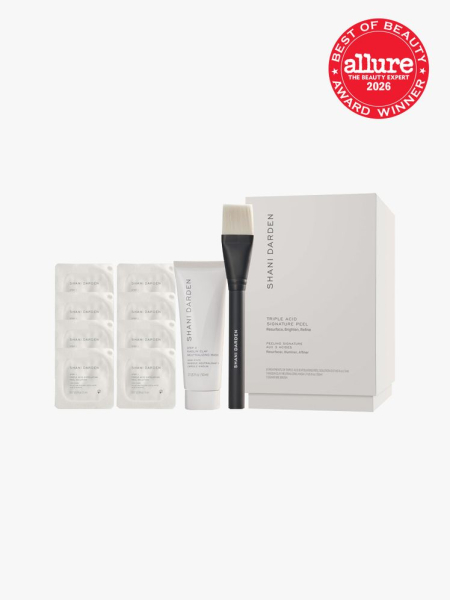
    Shani Darden Skin Care Triple Acid Signature Peel in multiple branded components on a light gray background with the 2026 best of beauty seal in the top right cornerSave to wishlistSave to wishlist

    Shani Darden

    Triple Acid Signature Peel

    $125

    Amazon

    $125

    Nordstrom

    $125

    Shop

    Allure editor in chief Jessica Cruel applying the Shani Darden Triple Acid Signature Peel

    Jessica Cruel

    Why it's worth it: Professional treatments like microneedling, lasers, and extractions can give your skin a fresh start, but you don't have to do all the upkeep in a dermatologist's office. At-home chemical peels can help maintain certain results by exfoliating dead skin cells, smoothing texture, and gradually fading lingering discoloration. For those who've moved beyond beginner-level exfoliants, Shani Darden created the Triple Acid Signature Peel, which is as close to a professional facial as you can get without leaving your bathroom—and helps explain its 2023 Best of Beauty Award.

    The two-step treatment starts with a potent trio of glycolic, lactic, and mandelic acids to tackle uneven tone, fine lines, and rough texture, followed by a mask with kaolin and bentonite clays. Because this isn't your average exfoliator, follow the directions. Apply the Triple Acid Solution Peel for just one minute (or up to two if your skin can tolerate it), then layer the Neutralizing Clay Mask directly on top for 10 minutes. The second step helps neutralize the acids and ease any tingling, so you can get the smoothing benefits without leaving the peel on longer than intended.

    Tester feedback from editor in chief Jessica Cruel

    AccordionItemContainerButtonLargeChevron

    “When I have to be on TV or walk the red carpet, there is only one product I trust to leave my skin glowing, and that's this peel. I have been lucky enough to get the full celeb facial treatment at Shani Darden's LA studio. This two-step exfoliant bottles a little of that magic up for at-home use. I love that it comes with a brush to apply the acid step. Then, you slather on the clay mask, which gives the whole thing a whipped consistency. It tingles a bit, but after I rinse, my skin is visibly glowier.” —Jessica Cruel, editor in chief

    More to know

    AccordionItemContainerButtonLargeChevron

    • Key AHAs: glycolic acid, lactic acid, mandelic acid
    • Other ingredients: kaolin clay, bentonite clay, cucumber extract
    • Fragrance-free: yes

    Best Body Lotion: Amlactin Daily Nourish Body Lotion
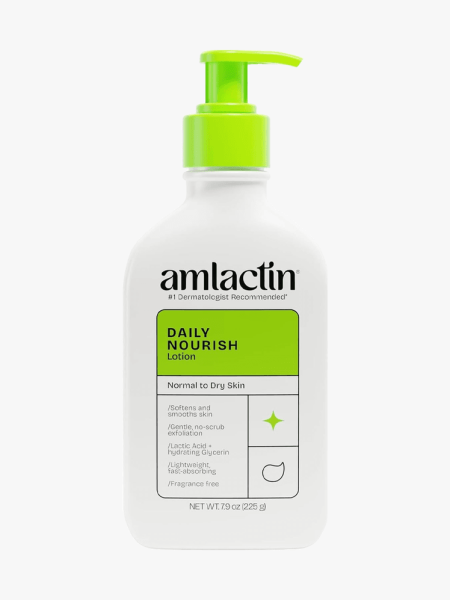
    AmLactin Daily Nourish Body Lotion with 12% Lactic Acid in branded component on a light gray backgroundSave to wishlistSave to wishlist

    AmLactin

    Daily Nourish Body Lotion

    $16 $12 (25% off)

    Amazon

    $16

    Ulta Beauty

    Allure contributing commerce writer Christa Joanna Lee applying the Amlactin Daily Nourish Body Lotion

    Christa Joanna Lee

    Why it's worth it: AmLactin makes no secret of its star ingredient—it’s right there in the brand name, which is a mash-up of ammonium lactate, a form of lactic acid. Ammonium lactate is made by combining lactic acid with ammonia, which makes it less acidic (and therefore gentler). That means it can still slough away dead skin cells while drawing in moisture to soften dry, rough patches. The brand’s Daily Nourish Body Lotion keeps things refreshingly simple, pairing 12% ammonium lactate with moisturizing glycerin, mineral oil, and not much else. “It’s especially helpful for people who want to smooth rough, bumpy patches of dry skin without complicating their body-care routine,” says Nicole Ruth, MD, a board-certified dermatologist based in New York City.

    Tester feedback from contributing commerce writer Christa Joanna Lee

    AccordionItemContainerButtonLargeChevron

    “As someone with sensitive, dry skin, lactic acid has always played nicely into my routine. So, I happily slathered AmLactin’s Daily 12% Lactic Acid Moisturizing Lotion all over the backs of my arms, where I’m constantly battling keratosis pilaris. Immediately after applying, my skin looked softer and more hydrated—but to be fair, any good moisturizer can give you that instant gratification. What surprised me was what happened over the following weeks: The uneven texture and patchy redness on the backs of my arms started looking more even and less inflamed. One of my kids even pointed out that my arms looked ‘less red,’ which might be the most brutally honest product-testing panel out there.” —Christa Joanna Lee, contributing commerce writer

    More to know

    AccordionItemContainerButtonLargeChevron

    • Key AHA: 12% ammonium lactate
    • Other ingredients: glycerin, mineral oil
    • Fragrance-free: yes

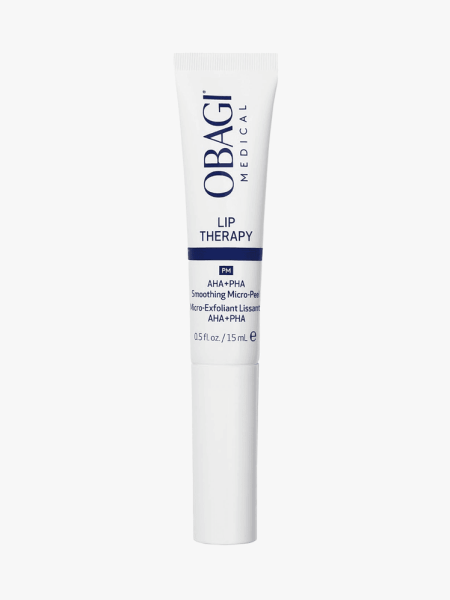
    Best Lip Treatment: Obagi Lip Therapy AHA+PHA Smoothing Micro-Peel
    Obagi Lip Therapy AHA+PHA Smoothing Micro-Peel in branded tube component on a light gray backgroundSave to wishlistSave to wishlist

    Obagi

    Lip Therapy AHA+PHA Smoothing Micro-Peel

    $55

    Amazon

    $55

    Dermstore

    $55

    Shop

    Han applying the Obagi Lip Therapy AHA+PHA Smoothing Micro-Peel

    Sarah Han

    Why it's worth it: You can go through all the lip balm in the world, but if dead skin cells are hanging around on the surface, your lips may still look and feel flaky. Instead of relying on a gritty scrub (which can be harsh on delicate lip skin), Obagi’s Lip Therapy AHA+PHA Smoothing Micro-Peel uses three exfoliating acids—glycolic, lactic, and gluconolactone—to gently loosen buildup and smooth rough texture. “I like that it pairs chemical exfoliation with hydrating ingredients such as glycerin and hyaluronic acid, which help attract water and support smoother, softer lips,” says Dr. Ruth.

    Shea butter and argan oil also help seal in that hydration. Just don't get too enthusiastic with lip exfoliation: “Because the lip barrier is delicate, I recommend using any exfoliating treatment conservatively and following with a bland, occlusive lip balm,” says Dr. Ruth, whose go-to recommendation is good old-fashioned Vaseline.

    Tester feedback from Han

    AccordionItemContainerButtonLargeChevron

    “I truly can't be bothered with physical lip scrubs housed in tiny tubs, but my crusty lips are constantly begging for exfoliation. The solution is a chemical exfoliator exactly like this Obagi one. It comes out like a clear lip serum that smooths my dry lips almost instantly, thanks to a blend of glycolic, lactic, and polyhydroxy acids. I like to slather on a bit, rub my lips together, and run my clean fingertips along the top and bottom just to make sure everything's absorbing properly. It's so quick and easy! I was worried about stinging but I don't experience an ounce of irritation with this formula. Since I'm not great at applying SPF to my lips during the day, I prefer applying this at night and waiting a minute or so before I layer a lip mask over it.” —Sarah Han, commerce editor

    More to know

    AccordionItemContainerButtonLargeChevron

    • Key AHAs: glycolic acid, lactic acid
    • Other ingredients: gluconolactone (PHA), hyaluronic acid, glycerin, shea butter, argan oil
    • Fragrance-free: yes

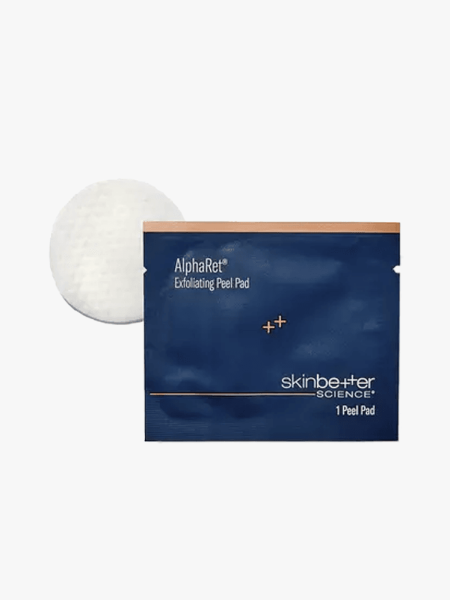
    Best Chemical Peel: SkinBetter Science AlphaRet Exfoliating Peel Pads
    SkinBetter Science AlphaRet Exfoliating Peel Pads in branded component on a light gray backgroundSave to wishlistSave to wishlist

    SkinBetter Science

    AlphaRet Exfoliating Peel Pads

    $130

    SkinBetter Science

    Contributing commerce editor Deanna Pai applying SkinBetter Science AlphaRet Exfoliating Peel Pads

    Deanna Pai

    Why it's worth it: If you've spent any time in a dermatologist's office (or on SkinTok), chances are you've heard of SkinBetter Science's AlphaRet. The brand's signature technology combines a retinoid with lactic acid to smooth fine lines, uneven tone, and rough texture, and its AlphaRet Exfoliating Peel Pads take things a step further. Glycolic acid joins the mix to slough away dead surface cells, while salicylic acid tackles buildup inside pores. “I like that this is a more thoughtfully balanced approach than relying on a single, aggressive exfoliating acid,” says Dr. Ruth. Heads up: The combination of exfoliating acids and a retinoid might be intense for sensitive, reactive, or already irritated skin, especially if you're new to chemical exfoliation. “These can be strong for some patients, and I only recommend using them one to three times a week,” she says.

    Tester feedback from Pai

    AccordionItemContainerButtonLargeChevron

    “I've been a fan of SkinBetter's AlphaRet for years—the Clearing Serum is amazing if you have acne-prone skin—so I had a feeling I'd like these peel pads. And I was right. They're definitely intense, with just the slightest tingling sensation, but my oily, acne-prone, dark spot-riddled skin needs the power. It left my skin smoother and clearer after a single pass. I'm using them every other night to start, alternating them with my regular retinoid (and occasionally taking breaks from both, depending on my skin). It's not for the faint of heart, but it's excellent if your skin can handle it.” —Deanna Pai, contributing commerce editor

    More to know

    AccordionItemContainerButtonLargeChevron

    • Key AHAs: lactic acid, glycolic acid
    • Other ingredients: salicylic acid, retinol
    • Fragrance-free: yes

    Frequently Asked Questions

    What are alpha hydroxy acids?

    Alpha hydroxy acids are a family of water-soluble chemical exfoliants, often derived from sources like sugarcane, milk, and fruit, that help loosen the bonds holding dead skin cells together. By clearing away that buildup, they can improve uneven texture, discoloration, and the appearance of fine lines.

    Unlike oil-soluble beta hydroxy acids (BHAs), such as salicylic acid, which can penetrate pores to help clear excess oil and congestion, AHAs primarily work on the skin's surface. And while they all share the same basic job description, some are more aggressive than others. Here's how the most common types stack up, according to Dr. Ruth:

    • Glycolic acid: The smallest of the bunch, glycolic acid penetrates skin relatively easily, making it one of the more potent AHAs for tackling rough texture, dark spots, and fine lines. The downside? It can be irritating, especially for sensitive skin.
    • Lactic acid: A multitasker that exfoliates while also attracting moisture, making it a good option for dry skin that needs smoothing without sacrificing hydration.
    • Mandelic acid: Its larger molecular size means it penetrates more slowly, making it generally better tolerated by sensitive or easily irritated skin.
    • Citric, malic, and tartaric acids: These fruit-derived AHAs can contribute to exfoliation and help adjust a formula's pH, though they're less studied as standalone exfoliants.

    “Glycolic acid tends to be the most potent exfoliator, while lactic acid can provide exfoliation with some hydrating benefits,” says Dr. Ruth. “Mandelic acid penetrates more gradually and may be better tolerated by easily irritated skin.”

    Can you use AHAs with retinol?

    Yes, AHAs and retinol can absolutely coexist in your skin-care routine (just look at SkinBetter Science's AlphaRet Exfoliating Peel Pads on our list), but that doesn't mean you should go all in on both at once. Both ingredients encourage skin cell turnover, so combining them can increase the risk of dryness, redness, and irritation, especially if you're new to either one. If you’re a beginner to acids and/or retinol, “rather than layering them in the same routine, I recommend alternating nights,” says Dr. Ruth. “For example, using an AHA one night and separate retinol another. You will get the benefits of both while giving the skin barrier time to recover.”

    Who shouldn’t use AHAs?

    AHAs aren't off-limits for sensitive skin, but if you're dealing with an active eczema flare, rosacea, a compromised skin barrier, or skin that's already irritated or peeling, it's best to hold off until things calm down. The same goes for freshly waxed skin or skin recovering from certain in-office treatments, like lasers and chemical peels. Even if your skin generally tolerates exfoliation well, dermatologists warn that AHAs can increase sun sensitivity, making your skin more vulnerable to UV damage. When introducing an AHA, start slowly, consider using it at night, and be especially diligent about applying broad-spectrum sunscreen with SPF 30 or higher during the day.

    Meet the experts

    • Alexandra Bowles, DO, a board-certified dermatologist at MONA Dermatology based in Cincinnati
    • Nicole Ruth, MD, a board-certified dermatologist at Weiser Skin MD based in New York City
    • Mamina Turegano, MD, a board-certified dermatologist, internist, and dermatopathologist based in New Orleans

    How we test and review products

    When Allure tests a product, our editors look at it from every angle in an effort to best serve you. We review ingredients, scrutinize brand claims, and, when necessary, examine peer-reviewed scientific and medical studies. In addition to testing each and every product that’s included in each and every review, we rely on experts who shape their fields, including dermatology, cosmetic chemistry, and medicine, to help us vet the ingredients and formulas.

    For our list of best alpha hydroxy acid products, we considered each product’s performance across five primary categories: product ingredients and efficacy, packaging, fragrance, texture, and product wear. Every product was determined to have excelled in each category by our editorial team, which is composed of in-house writers and editors as well as contributors—along with special consideration from board-certified dermatologists. To learn more information on our reporting and testing processes, read our complete reviews process and methodology page.

    Our staff and testers

    A beauty product is a personal purchase. You might be searching for a face cream to address persistent dryness or a new nail product to add to your Sunday self-care routine; you may simply be browsing around for the latest launches to hit the hair market. No matter what you seek or your individual needs and concerns, Allure wants to ensure that you love anything we recommend in our stories. We believe that having a diverse team of writers and editors—in addition to the wide range of outside testers and industry experts we regularly call upon—is essential to reaching that goal.

    After all, can we really say a skin-care product is the "best" for people over 50 if the only testers we’ve solicited opinions from folks who have yet to hit 30? Can we honestly deem a high-end diffuser worthy of your hard-earned cash if it’s never been tested on curls? We’re proud that our staff spans a wide range of ages, skin tones, hair textures, genders, and backgrounds, which means that we are able to fairly assess any beauty product that comes into the beauty closet.

  • Hailey Bieber’s Glossy Black Nails Are Ready for Spooky Season—See the Photos

    Hailey Bieber’s Glossy Black Nails Are Ready for Spooky Season—See the Photos

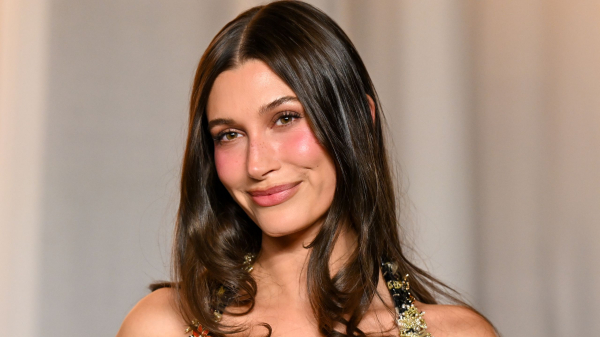
    Hailey Bieber smiles in a beaded dress and dark brunette waves.Getty ImagesSave StorySave this storySave StorySave this story

    We're officially on the record as saying that dark, inky manicures are a year-round kinda thing, but there's something about classic all-black nails that feels so right in October. It's probably the spooky season of it all, given that black has a punky, gothic, Wicked Witchy vibe that fits the mood—and the darkness that descends after 4:30 p.m. post-Daylight Savings Time. Hailey Bieber, who rarely deviates from her now-signature glazed and nearly naked nails, must be feeling the siren song of spooky season, because she went goth for a big, glamorous night out.

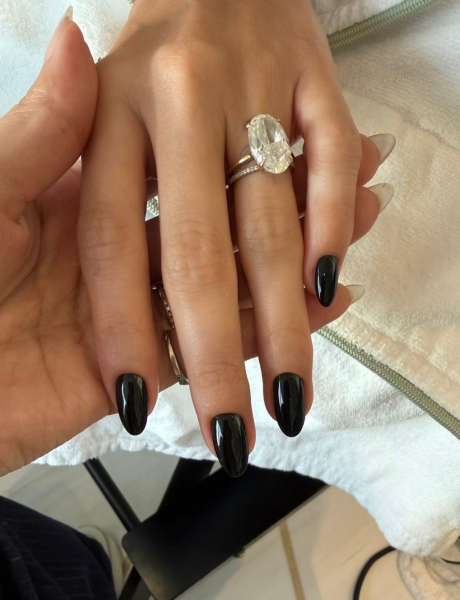
    For the Academy Museum Gala, Bieber turned to manicurist Zola Ganzorigt, who chose an equally classic shade to bring Bieber's glossy black nails to life: OPI's Black Onyx. As its name suggests, it's a shiny, deep true black, which was a cool contrast to her sweet pink Chanel dress and matching baby pink blush. (Remember when the pink-and-black color combo was everywhere in the early 2000s? I was obsessed, and I still love it today!)

    Hailey Bieber's hand is shown. She has black nails and wears a diamond ring.instagram.com/nailsbyzola

    Ganzorigt shaped Bieber's nails into her preferred medium-length almond, then applied a few coats of the onyx hue for tons of depth and reflective, almost latex-like shine. It's a fun change-up for the Rhode founder, who occasionally wears a richer nail polish but generally sticks to lighter tones. Most recently, however, she's been flirting with the dark side, like with the hot chocolate brown hue she picked to match her newly darker hair color.

    Fall is such a fun season to experiment with your nail color, and this year pros are feeling all sorts of moody shades—including not-quite-black tones that are just a teeny bit lighter than Bieber's, plus shimmery sapphire blue, molten metallic silver, and even olive green. If you're not into dressing up for Halloween this year, you can always nod to the season with your nail polish!

    More fun fall beauty:

    • Chappell Roan's Chunky Highlights Are So 2005 TRL
    • Jenna Ortega Is Warming Up to Fall With the Trendy Maple Cinnamon Hair Color
    • Julianne Moore's Bold Magenta Lip Is Rewriting Fall Makeup Rules
  • Charlotte Tilbury Glossy Fresh Pink Lip Duo Review

    Charlotte Tilbury Glossy Fresh Pink Lip Duo Review

    Image may contain Cosmetics Lipstick Bottle and Perfume$26 at Charlotte TilburySave StorySave this storySave StorySave this story

    TL;DR:

    • What it is: An iconic, nude-pink lip liner paired with a sheer pink gloss
    • What it does: Defines and shapes lips with a universally-flattering lip combo
    • Who it’s for: Pillow Talk fans and soon-to-be Pillow Talk fans alike

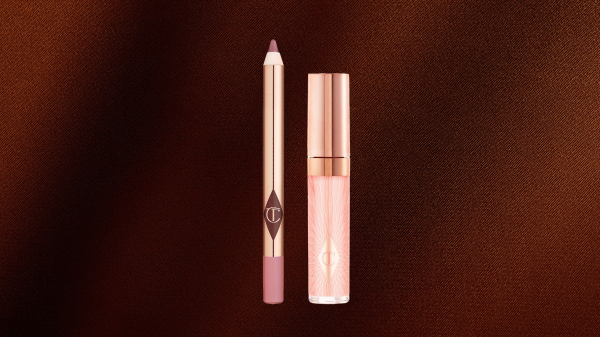
    Everyone already knows that Charlotte Tilbury’s Pillow Talk deserves all its flowers. It’s the nude-pink lip color that launched a thousand lip combos, inspired an entire collection, and somehow manages to look good on basically everyone. So, how do you make an icon even more iconic? Add a really, really good gloss.

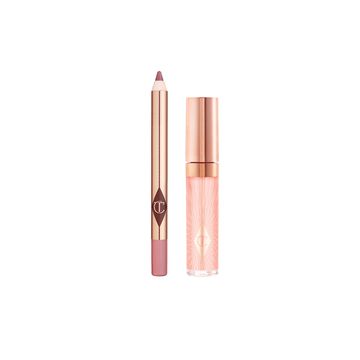
    The Charlotte Tilbury Glossy Fresh Pink Lip Duo pairs Pillow Talk Lip Cheat with Collagen Lip Bath in Refresh Rose, a sheer pink gloss that gives the famous shade a fresh, juicy update. Pillow Talk gives us that soft, your-lips-but-better definition, while Refresh Rose adds a subtle wash of color and high-shine finish.

    Together, they create the kind of polished-but-not-too-done lip look we can wear pretty much anywhere—and, more importantly, one we don’t have to think too hard about getting right.

    Charlotte Tilbury Glossy Fresh Pink Lip Duo is in the October Allure Beauty Box.

    GET THE BOXCharlotte Tilbury Glossy Fresh Pink Lip Duo

    Charlotte Tilbury Glossy Fresh Pink Lip Duo

    $26 at Charlotte Tilbury$26 at Charlotte Tilbury

  • I’m Over Your Lip Gloss Phone Case

    I’m Over Your Lip Gloss Phone Case

    Image may contain Accessories Pendant Jewelry Locket Child and PersonGetty Images/Courtesy of DiorSave StorySave this storySave StorySave this story

    We should’ve known we hit peak beauty phone case in 2025 when Justin Bieber sang That’s my baby / She’s iconic / iPhone case / Lip gloss on it. To some, the lyrics are nonsensical, but tapped-in consumers know that he was talking about the Rhode Lip Case. Created by his wife Hailey Bieber for her beauty brand, the $38 silicone case not only protects your phone but also holds a tube of Rhode’s best-selling Peptide Lip Treatment. You’ve likely clocked the case in Mrs. Bieber’s many mirror selfies or spotted them gripped tightly in the hands of tweens walking, well, anywhere in downtown Manhattan.

    The phone case immediately went viral after launching in February 2024. The people of the internet—namely, the girlies—couldn’t get enough, matching it to their favorite lip shade and anticipating new colorways. For Rhode fans, it was a way to showcase allegiance to their favorite brand and its very famous and influential founder. An accessory that seemingly came out of nowhere, it changed the beauty merch game… and maybe not in a good way.

    Now, two years later, it’s not hard to find knockoffs that don’t exactly live up to Rhode’s creation. Temu and Shein are flooded with dupes in every color of the rainbow, and loads of brands have been inspired to create their own phone case-beauty product hybrids to, at best, try and replicate some of Rhode’s original magic or, at worst, reheat Bieber’s nachos into a stale soggy mess.

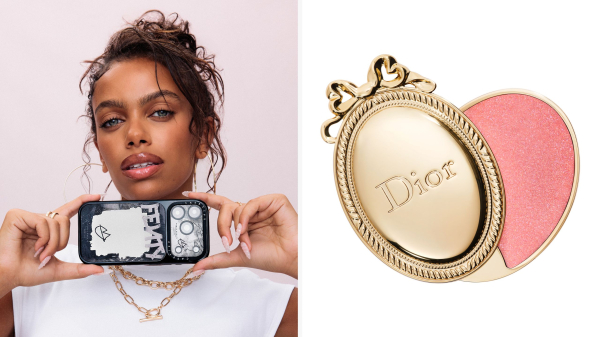
    Earlier this year, Daise Beauty launched a lip balm that sticks to the back of your phone like a Pop Socket, and just this past week two brands released similar concepts: Dior started selling a mini lip balm on their website and Charlotte Tilbury announced a mini setting powder, both of which adhere to the back of your phone. (Dior’s costs $95, Tilbury’s is free as a gift with purchase.) Fenty Beauty also collaborated with Casetify to create a case that holds both a tiny powder and a tiny lip gloss, resulting in a product so clunky it couldn’t possibly fit in a cute little purse, let alone someone’s pocket. There have likely been other gimmicky iterations thrust upon consumers since 2024, but none of them made enough of an impact to come to mind.

    Frankly, I’ve had enough of this landfill-bound, wasteful junk. Two years ago, Rhode did something novel, sure, but brands attempting to hitch a ride on Bieber’s coattails just to make a buck aren’t helping when it comes to overconsumption in the beauty industry—they’re only making it worse by attempting to create a new category of highly disposable products. (Although Bieber recently told Fortune she’s not interested in overconsumption, she is in the business of making products and selling them—including the current six colorways of the case.)

    According to Euromonitor International, almost 7.9 billion units of rigid plastic were created just for beauty and personal care products in the U.S. in 2018, and that was before the influx of charms, cases, merch, and other random accessories sold by the very beauty brands accumulating the bulk of the waste. (The global market is expected to grow by 5 percent annually until 2030, so that number is likely now even larger.) And even if your of-the-moment accessory ends up in the recycling bin, it may never be recycled: Only 9 percent of all plastic waste ever produced has actually been turned into something reusable.

    Not only are many of these items superfluous and a waste of both money and resources, but they also sound like a hygiene nightmare. Almost a decade ago, a study published in Time said our cell phones were ten times dirtier than most toilet seats—a stat I’m sure has multiplied over the past decade as people become even more glued to their miniature screens. (It was around that time that Dscout data uncovered that the average cell phone user touches their phone 2,617 times per day). So why, on God’s green Earth, would you purposely stick a beauty product onto the back of a filthy device just to then jam your finger into a formula you’re going to spread onto your mouth or over your skin? Phones can also heat up, so I can’t imagine a warm surface is a great environment for your products to rest on.

    Of the Daise stick-on, Allure associate social media manager Katie Gunderman says her amusement with the accessory was short-lived. “My initial thoughts were about how cute, fun, colorful, and potentially practical it was,” she explains. “After about a week of my phone being in my back pocket or jammed in my purse, it kept sliding open, collecting debris along the way. After that, there was no way I was applying it on my lips."

    That also begs the question: Does no one put their phone in their pocket anymore? How are we fitting an entire mini computer and a pressed powder in our already tight denim pouches? And while I know girl grip is impressive, the bigger these get, are they at all comfortable to hold?

    Every brand contributes to beauty’s waste problem, including Rhode, simply because they make products that don’t last forever. But at least the originators of the beauty phone case brought a level of intentionality to the product’s design. It’s more hygienic than a pot of sample-sized lip balm stuck on pop socket-style, and it pairs with a full-size product. The case, of course, can be used with however many lip treatments you go through in your phone’s—and thus your case’s— life cycle.

    I’m not seeing the same level of, we thought this one through! from other brands. But if I’m to aim my pitchfork at anyone—or anything—it’d be late-stage capitalism. Every aspect of our lives has been commodified, down to the charms that hang off of our handbags and the trinkets we attach to our handheld internet portals. We’ve all become walking billboards for brands whether you like it or not, and if you think about the amount of mirror selfies a branded phone case would appear in, we’re doing a lot of marketing legwork for free.

    The glut of phone accessories isn’t just unhygienic or jading—it’s exhausting to keep up with, and points to a dismal answer to the “is originality dead?” discourse pervading our feeds. To be clear, I’m not trying to be a hater. Of course we should be able to do whatever the hell we want with our beauty products and continue to implement the small, meaningful ways we express ourselves to the world. But maybe let’s keep them off of the devices—we probably don’t need more screentime anyway.

  • 6 Best Lip Liners for Mature Skin, According to Makeup Artists

    6 Best Lip Liners for Mature Skin, According to Makeup Artists

    A collage of lip liner pencils and scribbles on a peachypink backgroundCollage: Jemeria Davison; Source images: Courtesy of brandsSave StorySave this storySave StorySave this story

    As your lips change with age, so should your makeup. That's where upgrading to the best lip liners for mature skin comes in: Paired with a good lipstick for older women, they can help restore definition, create the appearance of fuller lips, and keep color from feathering into fine lines around the mouth. “They’re the underrated MVP of the lip category,” says LA-based makeup artist Fiona Stiles. “They can help define your shape and maximize it while also giving your lip color more staying power.”

    While many of us tend to focus on how our facial skin changes over time—leading to a newfound demand for targeted moisturizers and serums for aging skin—the lips get overlooked. But they have a naturally impaired skin barrier and few to no oil glands, so aging can be uniquely tough on them. “Structurally, the lips lose volume, and the border of the lips loses definition,” says Joshua Zeichner, MD, a board-certified dermatologist in New York City. Not only that, but "the lips often become dry and the skin barrier becomes weaker as we get older,” he adds.

    Our Top Lip Liners for Mature Skin

    • Best Overall: Charlotte Tilbury Lip Cheat Long Lasting Waterproof Liner, $28
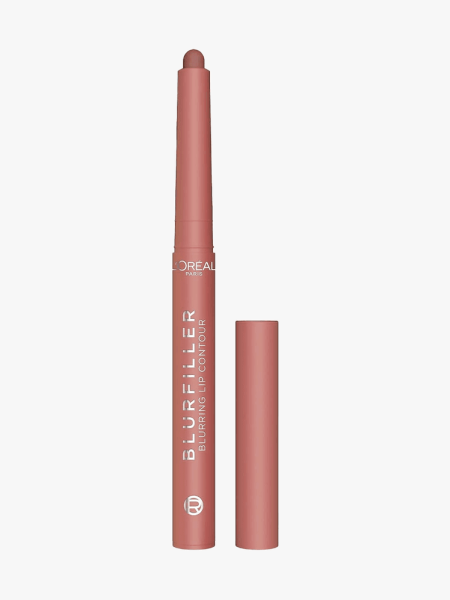
    • Best Drugstore: L’Oréal Paris Blurfiller Blurring Lip Contour, $13
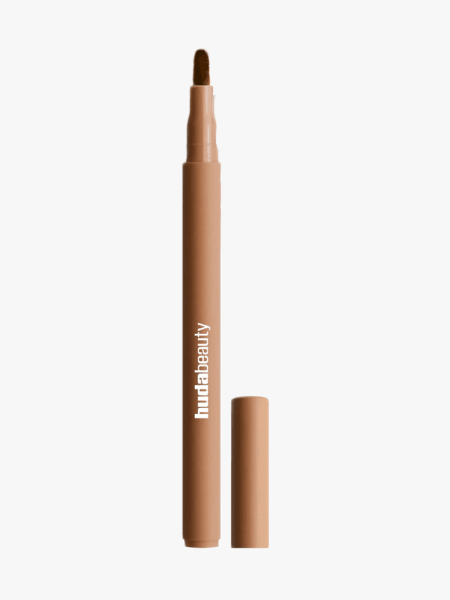
    • Best Longwear: Huda Beauty Lip Contour Lip Stain, $25
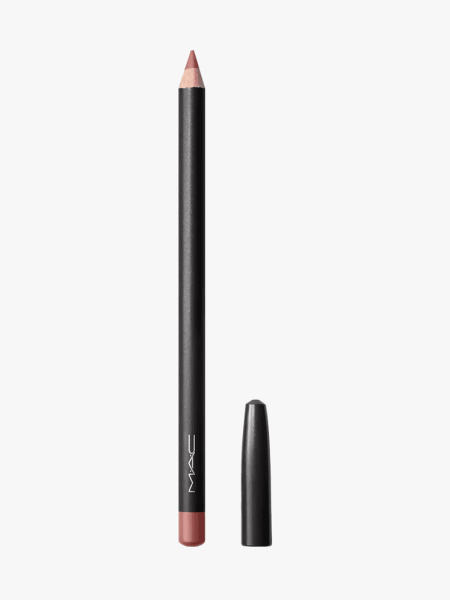
    • Best for Color Range: MAC Creamy Lip Liner, $25

    Frequently Asked QuestionsAccordionItemContainerButtonLargeChevron

    • How should you apply lip liner on mature lips?
    • How do you keep lipstick from bleeding on older skin?
    • Is lip liner good for mature lips?
    • Meet our experts
    • How we test and review products
    • Our staff and testers

    That means formulas that drag or settle into lines can make those changes more noticeable. Instead, look for a lip liner that glides on smoothly but has enough grip to keep color from migrating beyond the lip line. You want to choose one that has staying power, but also isn’t too drying,” says New York City–based celebrity makeup artist Kirin Bhatty.

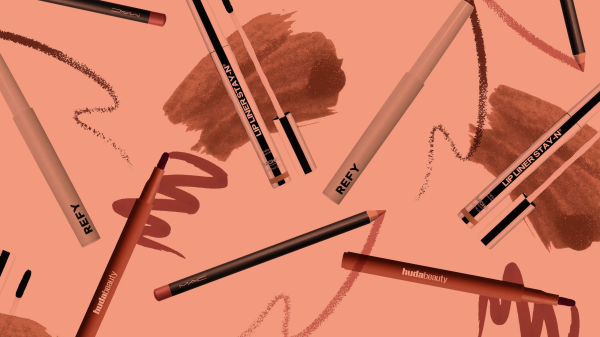
    Luckily, that no longer limits you to a classic pencil. Today’s options include nude lip liners that look like your lips but better, long-wearing stains, and chubby contour sticks that can softly bring back volume you’ve lost. Ahead, we found the best lip liners for mature lips, with expert-approved picks that make defining your shape a whole lot easier.

    Best Overall: Charlotte Tilbury Lip Cheat Long Lasting Waterproof Lip Liner

    Charlotte Tilbury Lip Cheat Long Lasting Waterproof Lip Liner in branded component on a light gray backgroundSave to wishlistSave to wishlist

    Charlotte Tilbury

    Lip Cheat Long Lasting Waterproof Lip Liner

    $28

    Nordstrom

    $28

    Ulta Beauty

    $28

    Sephora

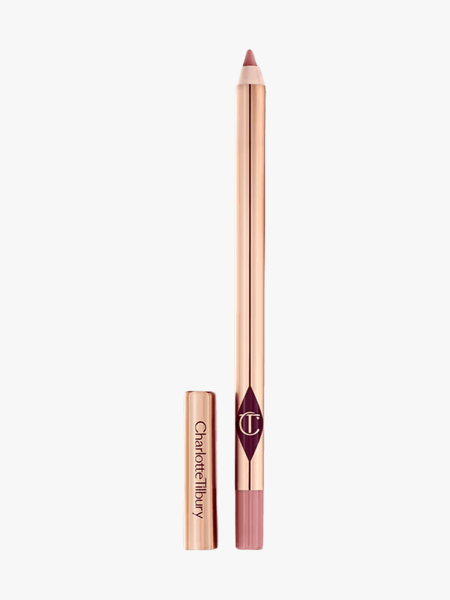
    Why it’s worth it: There’s a reason this pencil has become a makeup bag staple. Charlotte Tilbury’s Lip Cheat Long Lasting Waterproof Lip Liner nails the trifecta with a comfortable formula, impressive staying power and shade range that makes finding a natural-looking match refreshingly easy. The formula, which can glide onto skin without skipping, is especially helpful for mature lips. “The texture is beautiful,” says Bhatty. “It's not dry but not too creamy, so it wears really well.”

    Hyaluronic acid and jojoba oil, which hydrate and moisturize, give the pencil that slip. Then comes polybutene, which is “a flexible film former that helps prevent feathering and smudging by locking pigments in place,” explains Kelly Dobos, a cosmetic chemist in Cincinnati. That means your color will stay in place even through multiple cups of iced coffee. We’re partial to the brand’s iconic Pillow Talk family, which includes four takes on the original rosy-nude shade.

    More to know

    AccordionItemContainerButtonLargeChevron

    • Key ingredients: hyaluronic acid, jojoba seed oil, ceresin
    • Shades: 19

    Best Drugstore: L’Oréal Paris Blurfiller Blurring Lip Contour

    L’Oreal Blurfiller Blurring Lip Contour in branded component on a light gray backgroundSave to wishlistSave to wishlist

    L'Oréal Paris

    Blurfiller Blurring Lip Contour

    $13

    Amazon

    $13

    Ulta Beauty

    Why it’s worth it: Lip shape can subtly change over time. “We lose not only volume in our lips as we age, but also the vermilion border, which is your visible lip line, tends to fade,” says Stiles. Enter L’Oréal Paris Blurfiller Blurring Lip Contour, a twist-up crayon that brings definition back into the picture without requiring a super-precise application (or your reading glasses).

    The namesake blurring effect of this lip liner is especially forgiving with hydrated silica that "scatters and diffuses light to soften the appearance of fine lines and texture,” says Dobos. Combined with waxes, these ingredients create a soft-focus effect that makes lip contours appear naturally defined. The formula is effectively doing some of the blending for you, which is exactly why it appeals to Bhatty, who finds it so hydrating that she sometimes uses it all over the lips.

    More to know

    AccordionItemContainerButtonLargeChevron

    • Key ingredients: dimethicone, hydrated silica, beeswax
    • Shades: 8

    Best Longwear: Huda Beauty Lip Contour Lip Stain

    Huda Beauty Lip Contour Lip Stain for 12-Hour Wear in branded component on a light gray backgroundSave to wishlistSave to wishlist

    Huda Beauty

    Lip Contour Lip Stain for 12-Hour Wear

    $25

    Shop

    $25

    Sephora

    Why it’s worth it: If your lipstick seems to vanish somewhere between your morning coffee and lunch, Huda Beauty Lip Contour Lip Stain offers a different strategy. It's powered by a polymer that creates a lightweight, flexible film on the lips. “That film helps anchor the colorants to the lip surface,” says Dobos, who adds that this contributes to the product's transfer-resistant and long-wearing properties. The staining effect, she explains, comes from water-soluble dyes that tint the outer layers of the lips rather than simply sitting on top like traditional solid pigments.

    The felt-tip applicator glides without tugging or skipping, making it easy to trace your natural lip shape or subtly enhance it. One thing to note: Store the pen cap side down to help keep the formula from drying out. As for the payoff, “The stain lasts for hours and doesn’t fade when a gloss or balm is added into the mix as a wax-based liner can,” says Stiles, who especially loves the shade Rosewood. “It’s a perfect muted rose that feels like it’s enhancing my vermillion border."

    More to know

    AccordionItemContainerButtonLargeChevron

    • Key ingredients: aloe, argan oil
    • Shades: 11

    Best Shade Range: MAC Cosmetics Creamy Lip Liner

    MAC Creamy Lip Liner in branded component on a light gray backgroundSave to wishlistSave to wishlist

    MAC

    Creamy Lip Liner

    $25

    Nordstrom

    $25

    Ulta Beauty

    $25

    Sephora

    Why it’s worth it: Whether you’ve been rocking lip liner for years or just started wearing it, one thing reigns true: MAC lip pencils are the GOAT when it comes to the shade range. With more than 28 shades spanning neutrals, pinks, reds, browns, and other statement-makers, MAC Cosmetics Creamy Lip Liner offers the kind of collection that allows you to match your liner to your lipstick, instead of trying to make one beige pencil do everything. “They are so saturated in color, and they have a beautiful opacity,” says Bhatty, who regularly restocks this classic in her kit. That intensity makes it especially useful when you're wearing a more dramatic lip and want the liner to pull its weight as part of the finished look.

    The texture does run slightly drier than some of the other picks here, so give lips a little prep with a hydrating balm before application. For anyone who likes a true red lip, berry, plum, or any color that demands a precise match, the selection is unparalleled.

    More to know

    AccordionItemContainerButtonLargeChevron

    • Key ingredients: C10-18 Triglycerides, japan fruit wax, vitamin e
    • Shades: 36

    Best Lip Liner Stain: Sacheu Peel-Off Lip Liner Stayn

    Sacheu Peel-Off Lip Liner Stayn in branded component on a light gray backgroundSave to wishlistSave to wishlist

    Sacheu

    Peel-Off Lip Liner Stayn

    $14

    Shop

    $14

    Ulta Beauty

    $14

    Revolve

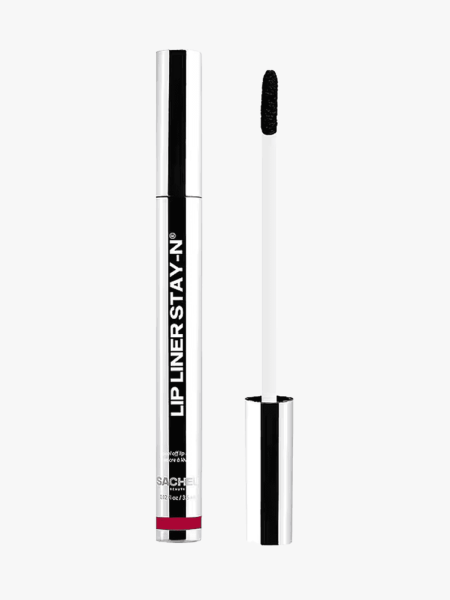
    Why it’s worth it: Sacheu Peel-Off Lip Liner Stayn, which you apply and then peel off once it sets, made its way to TikTok virality—but it’s not just a gimmick. “They have good colors and the product stays on for ages,” says Stiles. While the peel-off application may feel like it was built for social media, it may have some functional benefit, too. “Because the film stays in place while the dyes are depositing, it can help create a more even stain and reduce the chance of immediate smudging or bleeding beyond the lips,” says Dobos.

    There is a slight learning curve, though. You'll want to apply a generous, even layer and give it enough time—about five to seven minutes—to set before peeling it away. (Stiles recommends applying it at the beginning of your makeup routine so the stain has plenty of time to develop.) Once you peel it off, soften the resulting line with your finger or a brush for a more diffused finish. The result is a wash of color that can act as a subtle lip contour on its own or as a base underneath lipstick or gloss.

    More to know

    AccordionItemContainerButtonLargeChevron

    • Key ingredients: glycerin, hyaluronic acid, vitamin E
    • Shades: 16

    Best for Lip Lines : Refy Lip Blur Lip Liner

    Refy Lip Blur Lip Liner in branded component on a light gray backgroundSave to wishlistSave to wishlist

    Refy

    Lip Blur Lip Liner

    $24

    Shop

    $24

    Sephora

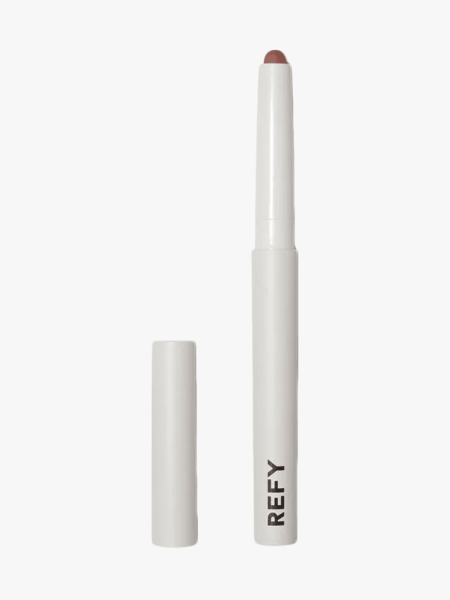
    Why it’s worth it: When fine lines around the mouth are your biggest concern, a traditional pencil isn't necessarily the best way to go. Refy's Lip Blur takes a smarter approach by pairing a blurring formula with a rounded applicator that diffuses the edges, rather than creating the kind of sharp, precise line that can look severe on lips that have lost volume. While the applicator helps, it also uses a mix of polymers and silicones to create a soft-focus effect, according to Dobos. “They scatter light and help soften the appearance of fine lines and uneven texture,” she says.

    The domed tip is equally important: “A traditional pencil is sharpened to a point, so the line you produce is very clean and sharp,” says Stiles. The rounded shape creates a softer edge, which can make lips look subtly fuller and more naturally contoured. It's an especially good choice when you want definition without drawing attention to your lip lines or areas where your lip line has become less defined.

    More to know

    AccordionItemContainerButtonLargeChevron

    • Key ingredients: polymethylsilsesquioxane, vinyl dimethicone, silsesquioxane crosspolymer a
    • Shades: 7

    Frequently Asked Questions

    How should you apply lip liner on mature lips?

    Start with hydration. “Make sure you prep your lips before you get your pencil ready,” says Bhatty. She likes to prep with a thick, hydrating lip balm. Her favorite? Sisley. “It’s fancy but worth it.” She also recommends applying moisturizer around the mouth so the surrounding skin is smooth and plump. “I’ll apply eye cream to the lips and around the mouth because your lip skin is similar to the skin around your eyes. That will help the lip liner go on smoothly.”

    Just be sure to remove excess product before reaching for your liner. “Tissue off the excess balm so it won’t slide, and I’ll use micellar water or a skin mist so it won’t be extra emollient,” says Bhatty. From there, she applies lip liner just outside the natural lip line to subtly maximize volume.

    Rather than tracing one continuous line, use short strokes from the center of the mouth outward, stopping before you reach the corners. “Going to the edge can make the mouth look a little droopy as you get older,” says Bhatty. Finish by using a lip brush or your finger to gently diffuse any harsh edges.

    How do you keep lipstick from bleeding?

    Fine lines around the mouth can turn a precise lip into a smeared one surprisingly quickly. “If feathering is an issue, then I would lean more toward long-wearing formulas as they have better staying power,” says Stiles.

    She also recommends using a clear lip liner slightly outside the natural lip line. “Those are made to function as a barrier and prevent feathering,” says Stiles. A clear liner can create a subtle boundary without introducing another color that might compete with your lipstick.

    Overlining also requires a light touch. You can slightly exaggerate the Cupid's bow, but keep the liner close to your natural shape around the outer corners, where feathering can be more noticeable. A softly blended edge will generally look more natural than a sharply drawn line.

    Is lip liner good for mature lips?

    Absolutely, and it can be one of the most useful tools in your makeup routine as your lips change with age. A well-chosen liner can bring back definition as the natural lip border becomes less distinct, help keep lipstick from feathering, and subtly enhance the shape of your lips. The key is choosing a formula that works with drier lips rather than against them. Look for creamy, comfortable lip pencils and always give lips a quick hit of hydration first. A swipe of lip balm can make all the difference before you pick up your lip liner.

    Meet our experts

    • Joshua Zeichner, MD, is a board-certified dermatologist in New York City.
    • Kirin Bhatty is a New York City–based celebrity makeup artist.
    • Fiona Stiles is a Los Angeles–based celebrity makeup artist.
    • Kelly Dobos is a cosmetic chemist in Cincinnati.

    How we test and review products

    When Allure tests a product, our editors look at it from every angle in an effort to best serve you. We review ingredients, scrutinize brand claims, and, when necessary, examine peer-reviewed scientific and medical studies. In addition to testing each and every product that's included in each and every review, we rely on experts who shape their fields, including dermatology, cosmetic chemistry, and medicine, to help us vet the ingredients and formulas.

    For our list of the best lip liners for mature lips, we considered each product's performance across five primary categories: product ingredients and efficacy, packaging, fragrance (or lack thereof), texture, and product wear. Every product was determined to have excelled in each category by our editorial team, which is composed of in-house writers and editors, as well as contributors, along with special consideration from board-certified dermatologists. To learn more about our reporting and testing processes, read our complete review process and methodology page.

    Our staff and testers

    A beauty product is a personal purchase. You might be searching for a face cream to address persistent dryness or a new nail product to add to your Sunday self-care routine; you may simply be browsing for the latest launches to hit the hair market. No matter what you seek or your individual needs and concerns, Allure wants to ensure that you love anything we recommend in our stories. We believe that having a diverse team of writers and editors—in addition to the wide range of outside testers and industry experts we regularly call upon—is essential to reaching that goal.

    After all, can we really say a skin-care product is the "best" for people over 50 if the only testers we've solicited opinions from are folks who have yet to hit 30? Can we honestly deem a high-end diffuser worthy of your hard-earned cash if it's never been tested on curls? We're proud that our staff spans a wide range of ages, skin tones, hair textures, genders, and backgrounds, which means that we are able to fairly assess any beauty product that comes into the beauty closet.

  • 10 Beauty Products and Treatments That Can Trigger a Psoriasis Flare

    10 Beauty Products and Treatments That Can Trigger a Psoriasis Flare

    applying cream to armPhoto: Adobe StockSave StorySave this storySave StorySave this story
    Living with psoriasis doesn’t necessarily mean you have to overhaul your skin- or scalp-care routine. Psoriasis is caused by immune system dysfunction, not external irritants, so you can use many topical products safely as long as they don’t cause skin damage. However, anything with the potential to cause trauma to the skin—like a potent acid or strong surfactant—could spell trouble.

    One reason topicals can lead to flare-ups is the Koebner phenomenon, which is when “local trauma stimulates the immune system to develop psoriasis in the traumatized skin,” says Shira Y. Wieder, MD, a board-certified dermatologist at Montefiore Einstein Advanced Care in New York City. When this happens new plaques appear in “healthy” areas of skin where there was previously no visible psoriasis.

    The Koebner phenomenon does not affect everyone with psoriasis; frequently cited research estimates it occurs in about 25% to 30% of patients. “Not everyone with psoriasis has this response, but if you’ve ever watched a plaque appear at a cut, a scratch, or a sunburn, assume you’re someone who does,” says Omar Noor, MD, a New York City-based board-certified dermatologist.

    Even if you don’t experience Koebnerization, applying a potentially irritating product to an area with visible psoriasis could worsen an existing flare-up. “If you have sensitivity [to an ingredient], then, yes, that’s going to trigger irritation to your skin, which will result in a flare in your psoriasis,” says Divya Shokeen, MD, a board-certified dermatologist and the founder of OSVI Dermatology and Surgical Institute in California. That’s why it’s important to do a small patch test anytime you try a new product to see if it triggers a reaction.

    Overall, there’s a pretty big risk difference for patients whose psoriasis is controlled with medication or other treatments and those whose psoriasis isn’t. “If you haven’t found a treatment that controls your psoriasis yet, your skin is already primed to react, and a product that causes even mild trauma can seed a new plaque at that spot,” Dr. Noor says. “If your psoriasis is controlled, especially on a systemic treatment like a biologic, that risk drops substantially, but not to zero.” The key is knowing what’s likely to irritate your skin during a flare and what may spark an issue day-to-day even when your skin is clear.

    Dr. Noor says patients with psoriasis in general should prioritize hydration in their skin-care routine. This can help soften plaques, improving both their appearance and any discomfort they cause. If you want to experiment with other types of ingredients—or are eager for a new tattoo or hair color—here are some guidelines on what you should approach with caution.

    Meet the experts:

    • Tracy Evans, MD, is a board-certified dermatologist and the medical director of Pacific Skin and Cosmetic Dermatology in California.
    • Omar Noor, MD, is a New York City–based board-certified dermatologist.
    • Divya Shokeen, MD, is a board-certified dermatologist and the founder of OSVI Dermatology and Surgical Institute in California.
    • Shira Y. Wieder, MD, is a board-certified dermatologist at Montefiore Einstein Advanced Care in New York City.

    1. High Concentration Skin Care Acids

    Every dermatologist we spoke to brought up alpha-hydroxy acids (AHAs) and beta-hydroxy acids (BHAs). This includes glycolic, lactic, mandelic, and L-ascorbic acids.

    “Psoriasis typically [causes] thick, scaly plaques,” Dr. Noor says. “There’s this misconception that the skin is thicker, so therefore you need to use stronger products in order to improve your skin.” While some skin-care acids can help manage psoriasis (more on that in a moment), the doctors caution against any product with a formula that contains a high percentage of these ingredients.

    “AHAs and BHAs work by breaking down the bonds that hold dead surface cells together,” Dr. Noor says. “At higher strengths, or on skin that’s already inflamed, they [can] reach deeper than intended and can cause genuine injury.” This can lead to Koebnerization or worsen an existing flare-up.

    Although everyone’s tolerance is different, Dr. Noor says that for leave-on products, he generally recommends patients with psoriasis stick to formulas with 5% or less glycolic acid, about 8% or less lactic acid, or up to 10% mandelic acid. Dr. Shokeen also advises against using L-ascorbic acid (the purest and most potent form of vitamin C) at concentrations of 15% or higher, which she says can be very irritating.

    One skin care acid of note that’s an exception to this rule is salicylic acid. The dermatologists Allure spoke to agree that it could actually help treat psoriasis symptoms—as long as it’s paired with moisturizing ingredients. “Salicylic acid can be very drying for some people, [but] it can also be great for psoriasis because it’ll get rid of all the scale,” Dr. Wieder says. “We use lots of moisturizers imbued with salicylic acid” for psoriasis patients, she adds.

    Dr. Shokeen says careful use of salicylic acid can even improve the effectiveness of topical psoriasis treatments. “Our skin is very good at keeping things out,” she says. “Salicylic acid will allow for a gentle exfoliation of that top layer to allow better penetration of ingredients [found in commonly prescribed psoriasis treatments] like steroids, vitamin D, and analogues [such as] calcipotriene … that can help decrease that inflammatory response.” Like with other skin-care acids, stick to formulas with a low concentration of salicylic acid—Dr. Shokeen says 2% in over-the-counter products is generally safe for most patients.

    2. Chemical peels

    This caution about many skin-care acids extends to chemical peels, which are usually made from a combination of acids in high concentrations. “Anything that’s going to break the barrier of the skin could result in psoriasis flaring more,” says Tracy Evans, MD, a board-certified dermatologist and the medical director of Pacific Skin and Cosmetic Dermatology in California. And that’s exactly what a peel does. “By definition a chemical peel [impairs the skin barrier],” Dr. Wieder says. “That’s the whole point of it. It’s a limited damage to the upper layers of the epidermis so that they exfoliate off.” Dr. Wieder says medium-depth and deep peels should raise red flags for psoriasis patients, although she notes she’d be less concerned about someone whose psoriasis is well-controlled with biologic medication opting for these treatments.

    3. Physical exfoliants

    Much like their chemical cousins, physical exfoliants are something you might assume would be helpful but can actually make things worse. “Psoriasis patients come in every day thinking they have to scrub off the scales,” Dr. Noor says. “They use walnut shells, apricot scrubs, and they’re just going to town with a loofah.”

    While this approach could temporarily exfoliate away some scales, it might ultimately exacerbate your psoriasis or trigger new patches, as the scrubby bits can cause tiny cuts and scratches on the skin.

    4. Abrasive in-office treatments

    If exfoliating scrubs—which only remove the surface layer of skin—are risky for psoriasis, it makes sense that stronger in-office treatments like microneedling and certain lasers could also cause problems. “You can’t treat your skin with sandpaper,” Dr. Noor says. “You don’t want to sandblast your skin with all these exfoliants or some of these devices.”

    Again, if your psoriasis is well-controlled, there’s less of a risk of a flare-up, but “if you feel like you are flaring, I would avoid the treatment altogether,” Dr. Evans says.

    It’s worth noting that some laser treatments have been shown to successfully treat psoriasis when used with caution. “We have seen specifically that excimer treatments for redness can be very effective in psoriasis patients,” Dr. Noor says.

    5. Strong surfactants

    Since hydration should be one of the number one skin-care goal for psoriasis patients, using intense cleansers could lead to trouble. “You may want to be a little more cautious around harsh chemicals like surfactants that really strip the skin of oils,” Dr. Wieder says, noting that this impairs the skin barrier.

    Dr. Noor specifically cautions against cleansers that “lather like dish soap,” which can signal that the product is heavy on surfactants like sodium lauryl sulfate (SLS). Surfactants strip away the good lipids, ceramides, and moisturizing factors in our skin, he explains. “If your soap lathers like dish soap, it’s no good because you’re treating your skin like a dirty pan, which we don’t want,” Dr. Noor says. He recommends gentle cleansers with hydrating ingredients, such as Cetaphil Gentle Skin Cleanser, which provides hydration without stripping the skin’s natural moisture barrier.

    6. Fragrance and unscented products

    Fragrance can be a bit tricky for people with psoriasis. Some patients might be totally fine with scented products, while others may be sensitive to them. If you fall into the latter camp, a fragrance could trigger a flare-up, just like any other ingredient that sparks sensitivity, Dr. Shokeen says.

    Perhaps a bit counterintuitively unscented products can also be a cause for concern. “Unscented usually means that the companies are using chemicals to hide the scents,” Dr. Noor says. “Those chemicals can make the products worse for you if you have psoriasis. What you want to look for is ‘fragrance-free.’”

    7. Pure essential oils

    While products with all-natural ingredients might seem better for sensitive skin, dermatologists typically warn against them for patients with psoriasis. “Botanical doesn’t always mean benign,” Dr. Noor says. “Poison ivy is 100% natural.”

    Tea tree oil, peppermint oil, menthol, and witch hazel are four natural ingredients to watch out for. “These can be really inflammatory,” Dr. Shokeen says. “They can trigger an immune response on your skin, which can then flare your psoriasis.” She says patients sometimes apply cooling menthol creams to plaque flare-ups in an attempt to calm the area—but it might actually make things worse.

    “People love the concept of the tingling sensation,” like the feeling you get when you apply a product that contains peppermint oil, Dr. Noor says. “Tingling is not good with psoriasis.”

    8. Lightweight moisturizers

    Any moisturizer is better than no moisturizer for someone with psoriasis, but some will be more effective than others. One way companies make creams thinner is by adding alcohol, Dr. Noor says. This might make for a nice, lightweight lotion, but it can also further dry out psoriatic skin.

    Dr. Noor recommends looking for richer creams with multiple lipids. “Nothing that comes out of a pump,” he says. “You have to thin the lotions out to get it out of a pump.”

    9. Hair dyes

    Some patients can be allergic to certain hair-dye ingredients. Dr. Noor says para-phenylenediamine (PPD) is a common one that causes issues. For someone without psoriasis having a reaction to PPD could just mean a few days or weeks of irritation. “The problem is the allergic reaction in a psoriasis patient creates an inflammatory mess,” Dr. Noor says. “The immune system is already edgy when you have psoriasis.” Introducing an ingredient you’re allergic to can “cause more psoriasis, more misery, and really make things more difficult to keep under control,” he says.

    10. Tattoos

    While tattoo ink can also cause allergic reactions, it’s the physical act of tattooing—a needle poking into your skin over and over and over—that’s more likely to be an issue for a psoriasis patient who experiences Koebnerization, Dr. Noor says. “[That] environment creates microtrauma that can trigger more psoriasis,” he explains. “It’s a bummer.”

    Dr. Wieder also advises patients with psoriasis to approach tattoos with caution. “I’ve seen people develop psoriasis in the shape of their tattoo,” she says.

    However, that doesn’t mean everyone with psoriasis should steer clear of building a body-art collection. Dr. Noor says that there are many great injectable and oral medications that can significantly subdue psoriasis patients’ dysregulated immune system, therefore reducing the chance of an inflammatory response. These treatments “allow you to get tattoos … and not have to worry about developing psoriasis in the tattooed areas,” he says.

    And that brings us back to the top skin-care takeaway for anyone with psoriasis: The first step in your routine is to get the condition under control. “When you have psoriasis you should see a dermatologist,” Dr. Evans says. The doctor will help you settle on a treatment plan that works and identify any ingredients you’re still sensitive to, regardless of how well-controlled your psoriasis is. Those trigger ingredients aside, Dr. Evans says, “once your disease is under control, you pretty much can use what you want.” Just make sure to do a patch test before you go all in.

  • Megan Thee Stallion Serves Up Two White-Blonde Looks in Her “Thin Ice” Video

    Megan Thee Stallion Serves Up Two White-Blonde Looks in Her “Thin Ice” Video

    Megan Thee StallionPhoto: Getty ImagesSave StorySave this storySave StorySave this story
    Megan Thee Stallion has been spending plenty of time in platinum territory lately—including at the Victoria's Secret fashion show—but for her new “Thin Ice” music video, she’s taken the color to an appropriately frigid extreme with not one but two icy platinum-blonde hairstyles.

    “Thin Ice” officially revives her Tina Snow alter ego, marking the beginning of the Act III era. The new material comes after a difficult year personally, including an abrupt breakup in April—though that doesn't necessarily mean every lyric is a coded message. Fans are, of course, free to conduct their own forensic analysis of every bar. Meg’s hair, however, is considerably easier to interpret.

    One of the video’s platinum looks features stick-straight hair cascading down her body, the color pushed to a cool, almost-white tone that looks particularly striking against her all-black outfit. The lengths—as well as the bangs—are sleek and glossy, creating an almost fluid quality around her as she dances. She makes the look unmistakably hers with a sparkling crystal “Tina Snow” embellishment—essentially a nameplate necklace for her head, which feels like an accurate level of extra for Megan.

    She switches things up considerably with a shorter platinum style with glamorous, voluminous curls. Where the first look is sleek and almost intimidating, this one feels more bombshell—proof that changing the silhouette can make essentially the same hair color read like an entirely different character. The shade is still the star, but the curls give it a softer, more old-school glamour.

    That said, the color gives both hairstyles an ice queen vibe, and honestly, if you’re going to make a music video for a song called “Thin Ice,” this is beauty tie-in exactly what I’d expect from Megan’s go-to hair genius, Kellon Deryck.

    Watch the new video below:

  • 37 Best Gifts for Teenage Girls, According to Teens

    37 Best Gifts for Teenage Girls, According to Teens

    Image contains a college of silos of the best gifts for teenage girls on an offwhit ebackgroundCollage: Jemeria Davison; Source images: Courtesy of brandsSave StorySave this storySave StorySave this story
    Choosing the best gifts for teenage girls can feel like trying to keep up with TikTok trends—blink, and you're already behind. Between the latest beauty crazes, the influx of influencers on their screens, and teens having very specific opinions about what's cool, finding something they'll actually love (and use) is no small feat.

    But don't panic: To help you navigate the ever-changing tastes of Gen Z and Gen Alpha, we've rounded up 37 fun, practical gifts that got the stamp of approval from actual teens we talked to. Think viral beauty favorites from Rhode, Summer Fridays, and Glow Recipe; makeup sets from Dior and Charlotte Tilbury; and in-demand accessories like Jellycat plushies (which, frankly, our editors want for themselves). We've also thrown in a few tech favorites, from colorful over-ear headphones to instant cameras, for teens whose wish lists go well beyond the beauty aisle.

    Our Top Gifts For Teenage Girls

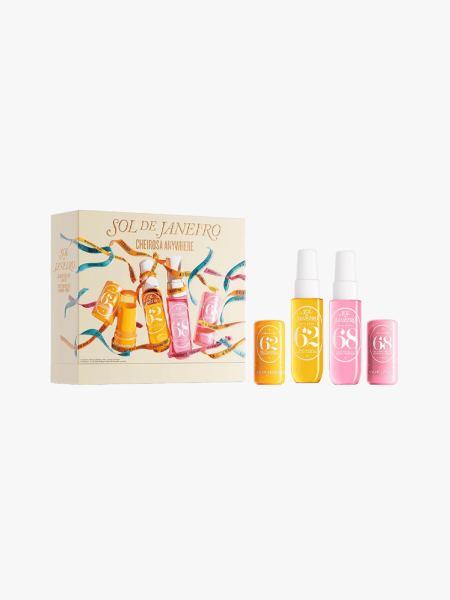
    • Scent with Love: Sol de Janeiro Cheirosa Anywhere Set, $49
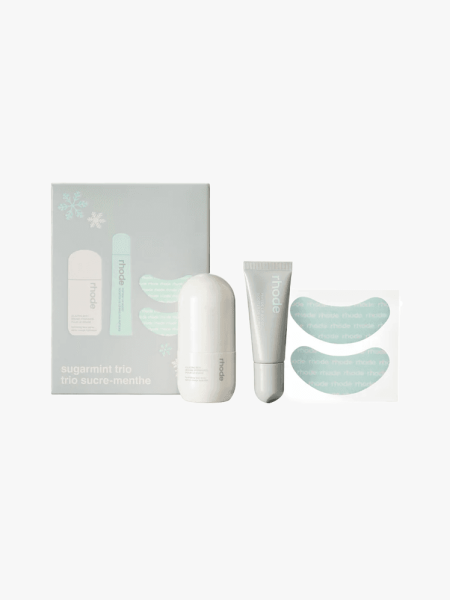
    • Mint to Be: Rhode Sugarmint Trio Limited Edition Skincare Set, $58
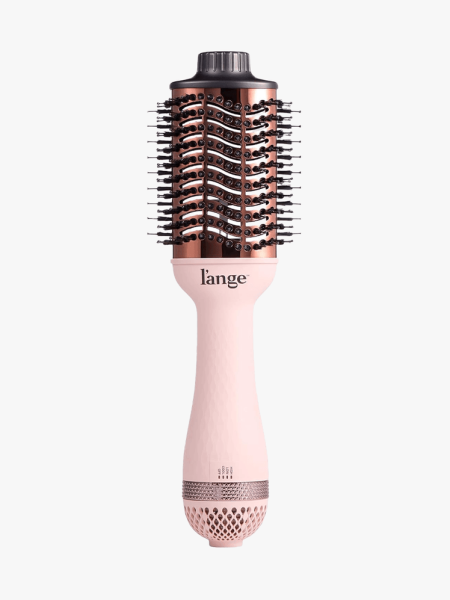
    • Brushed with Greatness: L’ange Le Volume 2-in-1 Titanium Brush Dryer, $69
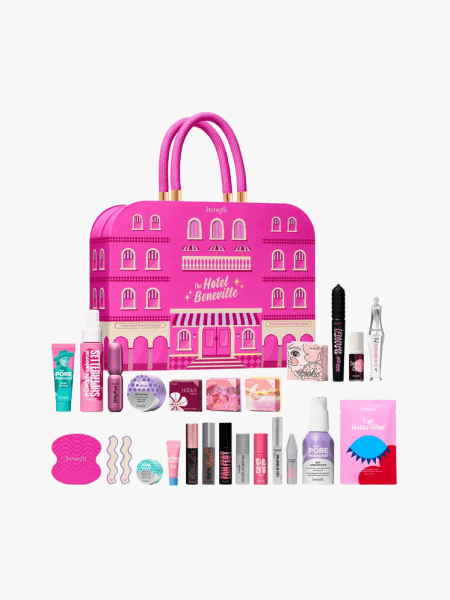
    • The VIP Treatment: Benefit Cosmetics The Hotel Beneville, $168
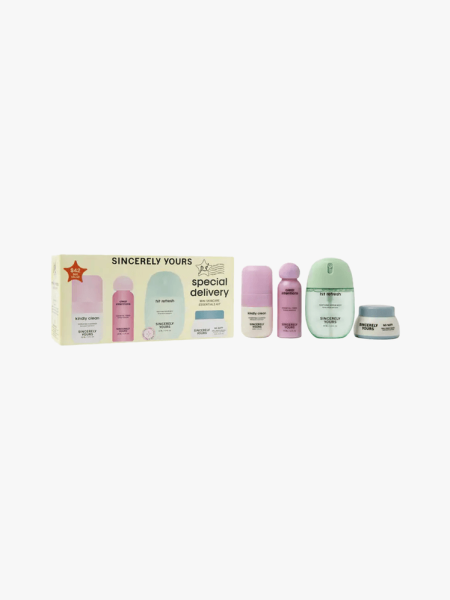
    • Handle With Care: Sincerely Yours P.S. Special Delivery, $42
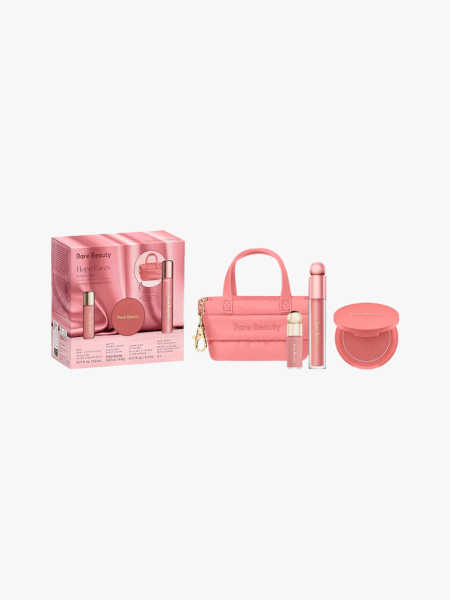
    • Think Pink: Rare Beauty Hope Faves, $54
    • Glow From Head to Toe: Medicube Fresh Glow Body Kit, $25
  • Olivia Colman Is the Indisputable New Queen of Quiet Silver

    Olivia Colman Is the Indisputable New Queen of Quiet Silver

    Olivia Colman smiling and wearing a red shirtPhoto: Getty ImagesSave StorySave this storySave StorySave this story
    You can’t tell me 2026 hasn’t been the year of quiet silver. Whether it’s subtle streaks, uninhibited roots, or full-on salt-and-pepper, celebrities have been demonstrating that going gray doesn't have to mean choosing between dyeing over the evidence and going completely silver in a single salon sitting. And while there are plenty of famous faces (or scalps?) making a compelling case for silver blending, Olivia Colman has quickly and enviably emerged as the unofficial ambassador for the look.
    At the Los Angeles premiere of Wicker on October 20, Colman wore a vivid red shirt tucked into a high-waisted, floor-length, gathered, burgundy skirt that extended into a dramatic train. But despite the colorful combination, her hair managed to steal the show. Colman's long, side-parted strands cascaded over one shoulder in loose, voluminous waves, with soft ribbons of silver and gray beautifully intermingled with her brunette base.

    Olivia Colman wearing a red shirt and burgundy skirtPhoto: Getty Images

    The transformation has been one of the most delightful parts of Colman's Wicker press tour (which is saying something, considering the cast is a joy in and of itself). As hairstylist Clayton Hawkins told Allure earlier this month, he exhibited Colman’s color with “big, sexy romantic curls” that really played up the variegation

    That's precisely the appeal of quiet silver: It's about blending rather than battling your grays.  L'Oréal Professionnel's Jacob Habib Khan describes what some call French blending as a personalized way to create “a more natural look and seamless grow-out.” Colorist Farah Hurdle previously explained to Allure that her “gray-blending” approach uses highlights where silver is concentrated and lowlights in darker areas to limit demarcation and get a glow going between shades.

    If you're considering your own quiet-silver era, start with a professional consultation rather than attempting an at-home transformation. And once you've got your blend, maintenance matters: Hawkins recommends using a purple shampoo to help keep silver strands bright. As he put it, “If you take care of gray hair and keep it silvery, there's nothing better.” And Colman is clearly proof of that.